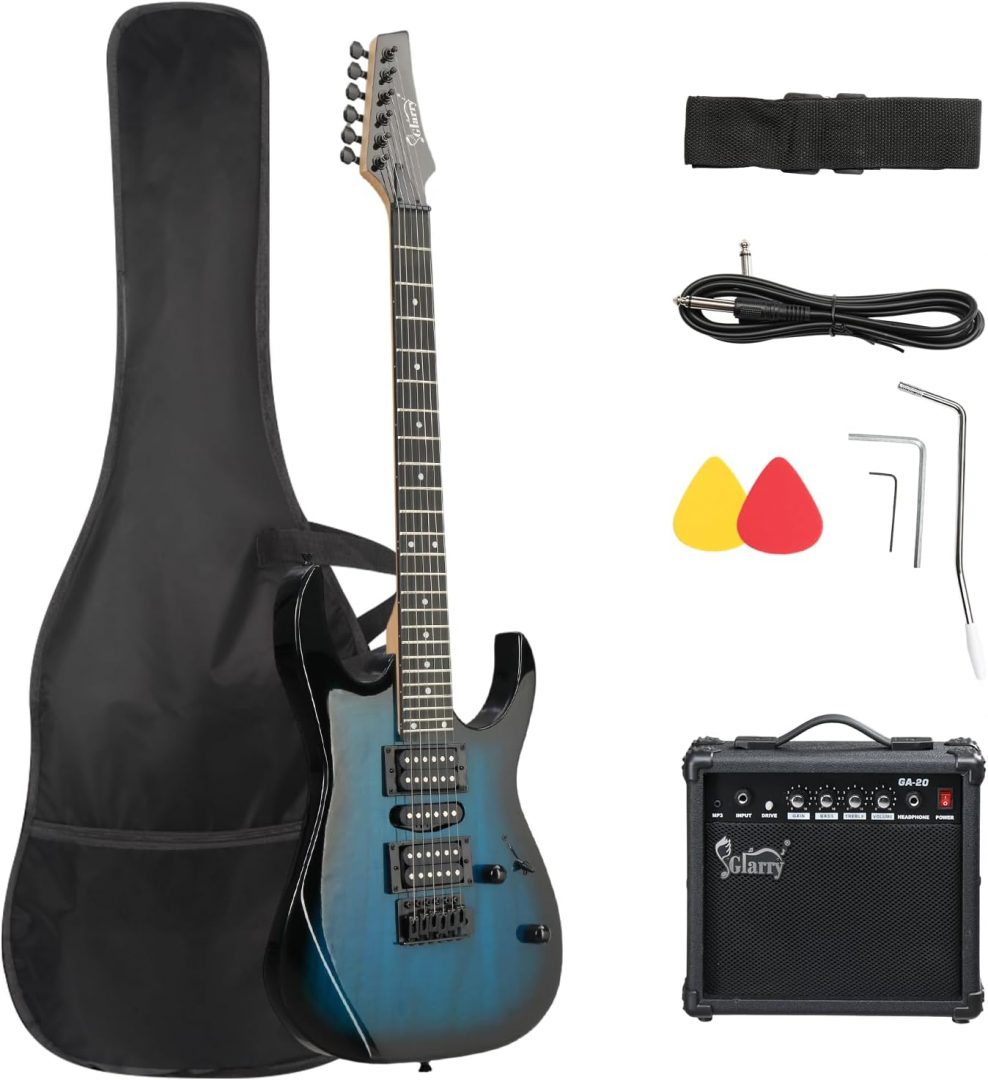
Proper Bridge and Neck Adjustment on the Guitar: A Complete Guide
Proper bridge and neck adjustment on a guitar is essential for achieving comfortable playability, accurate intonation, and the best possible sound quality. Whether you play an acoustic, electric, or bass guitar, correctly setting up the bridge and neck can dramatically improve your instrument’s performance.
Why Guitar Bridge and Neck Adjustment Matters
A guitar’s neck and bridge work together to determine string height, tuning stability, and overall playing comfort. If either component is improperly adjusted, you may experience:
String buzzing
High action (strings too far from the fretboard)
Poor intonation
Difficulty playing chords and solos
Reduced tone quality
Regular guitar maintenance helps prevent these issues and keeps your instrument performing at its best.
Understanding Neck Relief
Neck relief refers to the slight forward curvature of the guitar neck. This curve allows the strings to vibrate freely without touching the frets.
How to Check Neck Relief
Tune the guitar to pitch.
Press the low E string at the first fret and the last fret simultaneously.
Observe the gap between the string and the frets around the 7th to 9th fret.
A small gap indicates proper relief.
Adjusting the Truss Rod
The truss rod controls neck curvature.
Turn clockwise to reduce relief and straighten the neck.
Turn counterclockwise to increase relief.
Make small adjustments of about one-eighth to one-quarter turn at a time and allow the neck to settle before making further changes.
Adjusting the Guitar Bridge
The bridge determines the action, or string height, above the fretboard.
Electric Guitar Bridge Adjustment
For most electric guitars:
Tune the guitar.
Measure string height at the 12th fret.
Raise or lower the bridge saddles using the appropriate adjustment screws.
Check for buzzing and playing comfort after each adjustment.
Acoustic Guitar Bridge Adjustment
On acoustic guitars, action is typically adjusted by modifying the saddle height.
Remove the saddle carefully.
Sand the bottom of the saddle to lower action.
Replace and test the setup.
Repeat gradually until the desired action is achieved.
Setting Guitar Intonation
After adjusting the neck and bridge, intonation should be checked.
Intonation Adjustment Steps
Tune the open string accurately.
Play the 12th-fret harmonic.
Play the fretted note at the 12th fret.
If the fretted note is sharp, move the saddle backward.
If the fretted note is flat, move the saddle forward.
Retune and repeat until both notes match.
Proper intonation ensures your guitar stays in tune across the entire fretboard.
Recommended Guitar Setup Order
For the best results, follow this sequence:
Tune the guitar.
Adjust neck relief.
Set bridge height and action.
Adjust intonation.
Check pickup height (electric guitars).
Perform a final tuning and play test.
Common Mistakes to Avoid
Making large truss rod adjustments at once
Adjusting intonation before setting action
Ignoring neck relief issues
Over-lowering the bridge, causing fret buzz
Using incorrect tools for adjustments
Conclusion
Proper bridge and neck adjustment on the guitar improves playability, tuning accuracy, and overall tone. By carefully setting neck relief, bridge height, and intonation, you can achieve a professional-quality guitar setup that enhances your playing experience. Regular maintenance and periodic adjustments will keep your guitar performing at its peak for years to come.